Water Heaters
7 Warning Signs Your Water Heater Is About to Fail
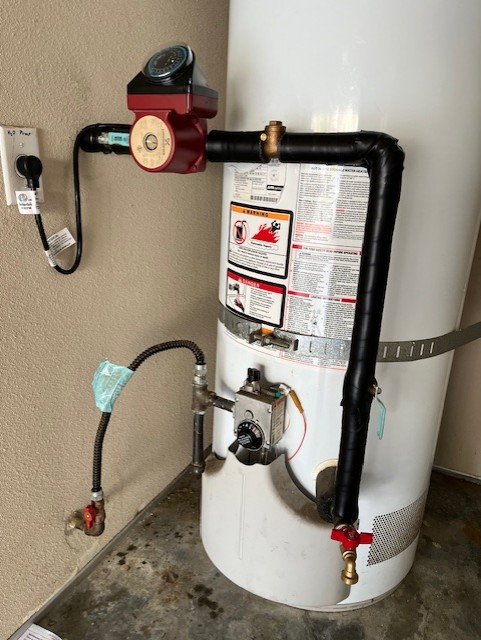
Your water heater is one of the hardest-working appliances in your home. It runs every day, all day, heating and reheating 40–50 gallons of water to keep your showers hot and your dishes clean. Most homeowners never think about it — until the morning they turn on the tap and get a face full of cold water.
The good news is that water heaters rarely fail without warning. They send signals for weeks or months before they give out — you just have to know what to look for. Catching these warning signs early can mean the difference between a $200 repair and a $3,000 emergency replacement with water damage on top.
At The Water Works, we repair and replace water heaters across the Greater Sacramento area every week. Here are the seven warning signs we see most often — and what each one means.
1. Water Isn't Getting Hot Enough
This is the most obvious sign, and it's often the first one homeowners notice. If your hot water runs lukewarm, runs out faster than it used to, or never gets hot at all, something is wrong.
Common causes:
- A failing heating element (electric heaters): Most electric water heaters have two heating elements — upper and lower. If the lower one fails, you'll get lukewarm water that runs out quickly. If the upper one fails, you'll get cold water.
- A malfunctioning gas thermocouple or pilot light (gas heaters): If the pilot won't stay lit or the thermocouple is failing, the burner won't ignite.
- Sediment buildup at the bottom of the tank: Sacramento's water is moderately hard. Over years, minerals settle to the bottom of the tank, forming a layer of sediment that insulates the water from the heat source. The heater has to work harder and longer to heat the same amount of water — and eventually, it can't keep up.
- A broken dip tube: The dip tube directs cold water to the bottom of the tank. If it breaks, cold water mixes with hot water at the top, and you get lukewarm water out of the tap.
If you're experiencing this, it's time to call for water heater repair. Many of these issues are fixable — but if the tank is old and sediment is severe, replacement may be the better option.
2. Rumbling, Popping, or Crackling Sounds
If your water heater sounds like it's boiling rocks, that's essentially what's happening. As sediment builds up at the bottom of the tank, it traps water beneath it. That water heats to boiling, bubbles up through the sediment, and creates the rumbling, popping, or crackling sounds you hear.
This is more than a nuisance. The sediment layer reduces the heater's efficiency, forces the tank to work harder (shortening its lifespan), and can eventually cause the tank to overheat or the bottom to burn through.
What to do: Have the tank flushed to remove the sediment. Annual flushing prevents the buildup from becoming severe. If the sounds persist after flushing, or if the tank is over 8 years old, the sediment may have hardened to the point that flushing won't help — and replacement is likely.
3. Discolored or Rusty Hot Water
If your hot water comes out rusty, brown, or discolored (and your cold water is clear), the problem is inside your water heater. The most likely cause is corrosion inside the tank.
Every tank water heater has an anode rod — a sacrificial metal rod that attracts corrosive elements in the water, protecting the tank's interior lining. Over time, the anode rod corrodes away. Once it's consumed, the corrosion attacks the tank itself. Rusty water is a sign that the anode rod is failing or gone — and the tank is rusting from the inside.
What to do: Replacing the anode rod can extend the tank's life if the lining is still intact. But if the tank is already rusting through, replacement is the only safe option. A rusting tank will eventually leak — and a tank that leaks is a tank that's about to fail.
4. Water Pooling Around the Base
Any water around the base of your water heater is a warning sign. It could be a slow leak from a fitting, a failing temperature and pressure (T&P) relief valve, or — most seriously — a crack in the tank itself.
How to tell the difference:
- Wipe the area dry and check again in a few hours. If the water returns, you have a leak.
- Check the T&P valve and its discharge pipe. If water is dripping from the discharge pipe, the valve may be releasing excess pressure — a sign the tank is overheating or the valve is failing.
- Check the fittings and supply lines. A loose connection can leak, and a corroded supply line can fail.
- If the tank itself is weeping water from the bottom (not from a fitting), the tank has likely corroded through. This is not repairable.
A leaking water heater can fail catastrophically — a tank that ruptures releases 40–50 gallons of water in minutes. If you see water pooling, shut off the power (gas or electric) and the cold water supply to the tank, then call for emergency plumbing immediately.
5. A Rotten Egg Smell
If your hot water smells like rotten eggs, you have hydrogen sulfide gas in the tank. This is caused by bacteria reacting with the magnesium or aluminum anode rod. The bacteria are harmless, but the gas is unpleasant and corrosive.
What to do: This can often be fixed by flushing the tank and replacing the magnesium anode rod with an aluminum or zinc-aluminum rod, which is less hospitable to the bacteria. If the smell persists or the tank is old, replacement may be the better choice.
6. The Heater Is Over 10 Years Old
Most tank water heaters last 8–12 years. If yours is in that range, it's in the final stretch of its useful life — even if it seems to be working fine. An older heater is more likely to have sediment buildup, a failing anode rod, corroded fittings, and a tank that's thinning from the inside.
Check the manufacture date on the serial number label (usually on a sticker on the side of the tank). The format varies by manufacturer, but the first few characters typically encode the month and year. If you're not sure how to read it, we can help.
If your heater is over 10 years old, start planning for replacement now — on your schedule, not the heater's. Replacing an aging heater before it fails is always cheaper and less disruptive than cleaning up after a burst tank. See our comparison of tankless vs. tank water heaters if you're considering an upgrade.
7. Higher Energy Bills Without a Change in Usage
If your gas or electric bill has crept up without any change in your habits, your water heater may be the culprit. As sediment builds up and components age, the heater works harder and longer to heat the same amount of water. An older, inefficient heater can cost $50–$100 more per year to operate than a new, high-efficiency model.
If your bills are rising and your heater is aging, replacement with a more efficient unit can pay for itself over time — especially if you switch to a tankless model, which is 24–34% more energy efficient than a tank heater for most households.
What to Do If You See These Signs
If you've noticed any of these warning signs, don't wait. The longer a failing water heater runs, the more likely it is to fail catastrophically — and a burst tank is one of the most common causes of water damage in Sacramento homes.
Here's what to do:
-
Note the symptoms. Write down what you're experiencing — no hot water, sounds, smells, water on the floor. This helps a technician diagnose the problem quickly.
-
Check the age of the unit. If it's over 10 years old, replacement is likely the better long-term investment, even if the current problem is repairable.
-
Call a licensed plumber. A professional water heater repair technician can diagnose the issue, explain your options, and give you an upfront price for repair vs. replacement. Don't attempt to repair a gas water heater yourself — the risks of gas leaks, carbon monoxide, and scalding are too high.
-
If the tank is leaking, shut off power and water immediately. Turn off the gas valve (for gas heaters) or the breaker (for electric heaters). Shut off the cold water supply to the tank. Then call for emergency plumbing.
Don't Wait for a Cold Shower
A water heater that's showing warning signs is telling you it needs attention. Ignoring the signs won't make them go away — it just guarantees a more expensive and disruptive failure down the road. If your heater is aging, leaking, or not performing, The Water Works serves the entire Greater Sacramento area with upfront pricing, licensed technicians, and 24/7 emergency service. Call (916) 290-4500 or request a service call today.
- Rusty or brown hot water — the tank lining has cracked
- Popping or rumbling — sediment buildup is cooking your burner
- Water pooling at the base — shut off gas and water, call now
- Hot water runs out faster than it used to
- Unit is over 10 years old
- Energy bills climbing with no change in usage
Emergency: water pooling under the tank, or a gas smell nearby? Shut off the supply and call us — a failed tank dumps 40 to 50 gallons at once.
What repairs actually cost
Repair or replace?
| Situation | Do this | Why |
|---|---|---|
| Under 8 years, one issue | Repair | Plenty of service life left |
| Over 10 years, repeat repairs | Replace | Repairs stop paying off |
| Leaking from tank body | Replace now | Cannot be repaired |
| High gas bills | Consider tankless | Cuts energy use ~34% |
How long a water heater lasts
Not sure which camp you're in? We'll check the anode rod, flush sediment, and test the relief valve — then give you an honest read on remaining life with upfront pricing before any work starts.
Need a licensed plumber?
The Water Works serves homes and businesses across California with 24/7 emergency service and upfront pricing.