Plumbing Tips
Toilet Replacement Guide: Save 13,000 Gallons a Year
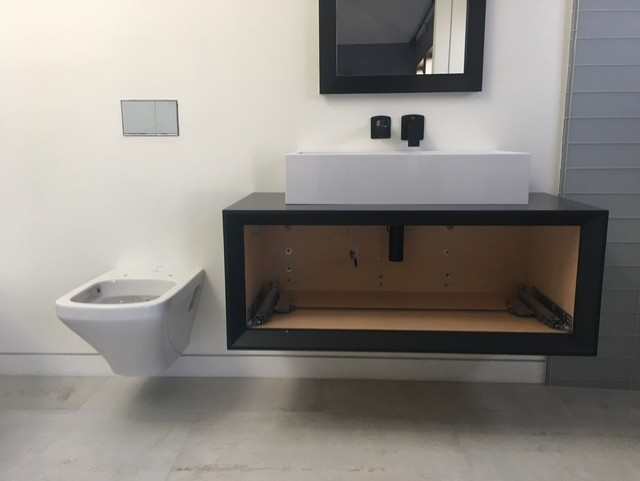
If your toilet was manufactured before 1994, it's using 3.5 to 7 gallons of water per flush. A modern, WaterSense-labeled toilet uses 1.28 gallons or less. That difference — multiplied by the 5–7 flushes per person per day in the average household — adds up to over 13,000 gallons of water wasted every year by a single outdated toilet.
For a family of four in Sacramento, where water rates have risen steadily over the past decade, replacing one old toilet with a high-efficiency model can save $200–$400 a year on water bills. Replace all of them, and the savings multiply.
At The Water Works, we install and replace toilets across the Greater Sacramento area every week. Here's a practical guide to help you decide whether it's time for a replacement, what to look for in a new toilet, and what to expect from the installation process.
Signs It's Time to Replace Your Toilet
Not every toilet problem requires replacement — many can be fixed with a simple toilet repair. But certain signs indicate that replacement is the better long-term investment.
1. Frequent Clogs
If your toilet clogs more than once a week, the problem may be the toilet itself, not the drain. Older low-flow toilets (especially the first-generation 1.6-gallon models from the mid-1990s) were notoriously poor at clearing waste in a single flush. Modern pressure-assist and dual-flush designs are far more effective.
2. Cracks in the Bowl or Tank
Hairline cracks in porcelain may seem minor, but they're structural. A crack in the tank can leak slowly into the bowl (wasting water) or rupture suddenly (causing a flood). A crack in the bowl means the toilet will need to be replaced — there's no safe repair for a cracked bowl.
To check for cracks, dry the toilet thoroughly and then watch for water seeping from anywhere other than the bowl or tank outlet. A dye test (adding food coloring to the tank) can reveal slow leaks you'd otherwise miss.
3. Constant Running
A toilet that runs continuously wastes up to 200 gallons a day. Often the cause is a worn flapper, fill valve, or flush valve — parts that can be replaced inexpensively. But if you've replaced the flapper and fill valve and the toilet still runs, the flush valve seat may be corroded or the tank itself may be cracked internally. At that point, replacement is usually more cost-effective than continued repairs.
4. Wobbling or Movement
A toilet should be rock-solid. If it rocks, shifts, or feels loose when you sit down, the wax ring seal may be failing, the flange may be broken, or the floor may be damaged by water. A leaking wax ring lets sewer gas into your bathroom and water into your subfloor — a recipe for rot and mold. Sometimes the fix is a new wax ring and flange repair, but if the toilet is old, replacement is often the smarter call.
5. Mineral Buildup
Sacramento's water is moderately hard. Over years, calcium and mineral deposits build up inside the toilet tank and bowl, corroding components and creating rough surfaces that catch waste. If the inside of your tank is coated in a thick crust of minerals, the toilet is nearing the end of its functional life.
6. Age (Over 15 Years)
Even if your old toilet seems to work fine, if it's more than 15 years old, it's costing you money with every flush. The savings from a modern high-efficiency toilet typically pay for the replacement within 2–4 years.
What to Look for in a New Toilet
If you're replacing a toilet, don't just buy the cheapest model at the hardware store. A well-chosen toilet lasts 20+ years — it's worth getting one that performs well and fits your bathroom.
Flush Type
- Gravity-fed: The standard design. Quiet, reliable, and adequate for most households. Look for models with a 2-inch flush valve (larger than the old 1-inch valves) for better clearing power.
- Pressure-assist: Uses compressed air to force water through the bowl. Powerful flush, great for large families or homes with frequent clogs, but louder than gravity-fed models.
- Dual-flush: Two buttons — a full flush for solid waste, a reduced flush (0.8–1.0 gallons) for liquid. Saves the most water over time.
Bowl Shape
- Elongated: More comfortable for most adults and easier to keep clean. Requires a bit more space.
- Round: Compact, ideal for small bathrooms or powder rooms.
Height
Standard toilets are 14–15 inches from floor to rim. "Comfort height" or "right height" toilets are 16–17 inches — about the same height as a standard chair. They're easier to sit down on and stand up from, especially for older adults or anyone with mobility issues. Most new installations use comfort height.
WaterSense Certification
Look for the WaterSense label. These toilets are independently tested to meet EPA efficiency standards — 1.28 gallons per flush or less — without sacrificing performance. Many local water agencies offer rebates of $50–$150 for replacing old toilets with WaterSense models, which can offset a significant portion of the replacement cost.
What to Expect During Installation
A standard toilet replacement takes 1–2 hours and includes:
- Removing the old toilet: Shutting off the water, draining the tank and bowl, disconnecting the supply line, and unscrewing the bolts holding the toilet to the floor.
- Inspecting the flange: The closet flange — the fitting that connects the toilet to the drain pipe — must be intact and level. If it's cracked or corroded, we'll repair or replace it.
- Installing the wax ring and new toilet: A new wax ring creates the seal between the toilet and the drain. The toilet is set, bolted down, leveled, and caulked at the base.
- Connecting the supply line: A new braided supply line connects the shutoff valve to the tank. We pressure-test for leaks before finishing.
- Testing: We flush the toilet multiple times, check for leaks at every connection, and confirm the toilet is level and stable.
DIY vs. Professional Installation
Replacing a toilet is one of the most popular DIY plumbing projects — and one of the most commonly botched. The toilet seems simple, but the details matter:
- A wax ring that isn't seated properly leaks sewer gas and water into your subfloor.
- A toilet that isn't leveled rocks on the flange, eventually cracking the porcelain at the base.
- An overtightened bolt cracks the tank. An undertightened one causes the toilet to shift.
- A supply line that's cross-threaded leaks slowly behind the toilet for months.
A professional toilet repair and installation from The Water Works ensures the job is done right the first time, with no hidden leaks and no callbacks. We also haul away your old toilet and dispose of it properly.
Other Plumbing Upgrades to Consider
While you're upgrading your bathroom, consider other improvements that save water and prevent problems:
- Faucet and fixture upgrades: Modern low-flow faucets and showerheads save water without sacrificing pressure. We handle faucet and fixture installation throughout Sacramento.
- Garbage disposal replacement: If your disposal is old, noisy, or frequently jammed, a new unit is safer and more efficient. See our garbage disposal repair service.
- Leak detection: If you're already noticing signs of hidden leaks elsewhere in your home, our leak detection service can catch problems before they cause damage.
Ready to Replace Your Toilet?
If your toilet is old, inefficient, or causing problems, The Water Works can help. We serve the entire Greater Sacramento area with upfront pricing, licensed technicians, and same-day service in many cases.
Call (916) 290-4500 or request a service call to schedule your toilet replacement today.
- Older 3.5+ gallons per flush toilets waste water
- Modern high-efficiency toilets use 1.28 gallons or less
- A family of four can save up to 13,000 gallons per year
- Dual-flush models let you choose the right volume
- Rebates available from some California water districts
- TOTO — best overall flush power and reliability
- American Standard — great value and warranty
- Kohler — sleek designs, quiet flush
- Gerber — budget-friendly, durable
- Reuse the old wax ring — it's already compressed
- Skip the new supply line
- Over-tighten the bowl bolts — porcelain cracks
- Caulk around the entire base — traps water and rots the floor
Need a licensed plumber?
The Water Works serves homes and businesses across California with 24/7 emergency service and upfront pricing.