Home Maintenance
Prevent Frozen Pipes in Sacramento: A Plumber's Winter Guide
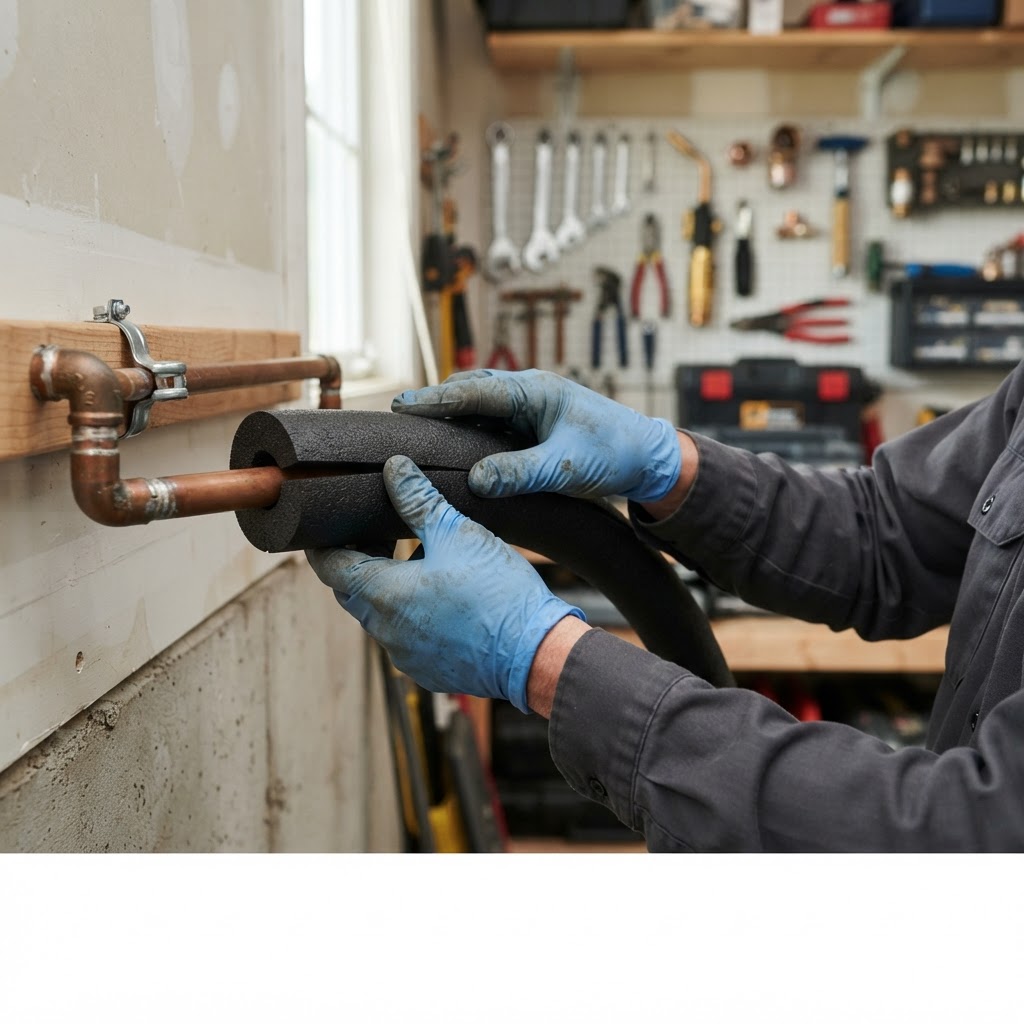
Sacramento gets cold enough to freeze pipes. When overnight temperatures drop below 32°F, exposed water lines in crawlspaces, garages, and exterior walls can freeze, expand, and burst. You can prevent frozen pipes in Sacramento by insulating exposed lines, disconnecting garden hoses, and covering outdoor hose bibs before the first winter frost.
Key takeaways
- Disconnect all garden hoses and install foam covers on outdoor spigots by late November.
- Wrap exposed pipes in unheated garages, attics, and crawlspaces with foam insulation.
- Leave cabinet doors open and let faucets drip slightly during severe overnight freezes.
Many homeowners in Greater Sacramento assume our mild climate means plumbing is safe from winter damage. That is a costly mistake. A single cracked pipe can release hundreds of gallons of water into your walls or foundation. Taking a few hours to winterize your system saves you from massive repair bills.
Why do pipes freeze in Sacramento's mild climate?
Northern California does not experience deep, months-long freezes, but overnight cold snaps are common. Homes in Sacramento, Placer, and El Dorado counties are often built for heat, not cold. This means plumbing is frequently routed through uninsulated spaces.
When water sits idle in an uninsulated pipe during a 28°F night, it freezes and expands. This expansion creates immense pressure inside the pipe walls. Whether you have copper, galvanized steel, or PEX piping, that pressure will eventually find the weakest joint and cause a rupture.
Most winter plumbing failures happen in specific, vulnerable areas. Outdoor hose bibs, garage utility sinks, and water heater supply lines are the most common culprits.
What are the early signs of a frozen pipe?
Catching a frozen pipe before it bursts gives you a chance to thaw it safely. You must act quickly if you notice any of these warning signs on a cold morning.
Decreased water flow is the most obvious indicator. If you turn on a faucet and only get a trickle, ice is likely blocking the line. Visible frost on exposed pipes in your garage or crawlspace is another immediate red flag.
Listen for unusual banging or clanking noises when you run the water. Ice chunks moving through the system or pressure building behind a blockage can cause pipes to rattle. If you notice these signs, shut off your main water valve immediately to prevent a flood if the pipe has already cracked.
How to winterize your plumbing step-by-step
Winterizing your plumbing is straightforward and requires minimal tools. Complete this checklist before the first freeze warning of the season.
- Disconnect all outdoor hoses. Water trapped inside a garden hose will freeze and push back into the indoor plumbing, cracking the spigot. Store hoses in the garage.
- Install hose bib covers. Buy insulated foam covers from a local hardware store. Place them over every exterior faucet and pull the zip-tie tight against the exterior wall.
- Insulate exposed pipes. Buy foam pipe sleeves and wrap any exposed water lines in your attic, basement, crawlspace, or garage. Secure the foam with duct tape or zip ties.
- Seal exterior drafts. Use expanding foam or caulk to seal gaps where pipes enter your home through the foundation or exterior walls. Cold air blowing directly on a pipe accelerates freezing.
- Protect your irrigation system. Shut off the water supply to your sprinklers and drain the manifold. Wrap the backflow preventer with an insulated jacket.
If you are leaving town during the winter, set your thermostat to at least 55°F. Open the cabinet doors under your kitchen and bathroom sinks to let warm air circulate around the plumbing.
DIY vs. Professional Winterization
| Feature | DIY Winterization | Professional Plumber |
|---|---|---|
| Cost | $30 - $50 for materials | $150 - $300 |
| Scope | Hose bibs, accessible pipes | Full system inspection, crawlspaces, water heater |
| Time required | 1 - 2 hours | 1 hour |
| Best for | Newer homes, easy access | Older homes, complex plumbing, peace of mind |
What to do if a pipe freezes (and how to avoid a burst)
If you wake up to a frozen pipe, do not panic, but do not ignore it. Turn off your main water shutoff valve immediately. This ensures that if the pipe is already cracked, water will not flood your home when the ice thaws.
Next, open the affected faucet completely. This gives the melting ice and trapped steam a place to escape. Use a hair dryer or a portable space heater to gently warm the frozen section of the pipe. Start from the faucet end and work your way backward toward the frozen blockage.
Never use an open flame, like a blowtorch, to thaw a pipe. This is a massive fire hazard and can melt PEX or PVC piping instantly. If you cannot locate the frozen section, or if the pipe has already burst, you need professional help. Call for emergency plumbing immediately to mitigate the water damage.
Taking preventative action is always cheaper than dealing with the aftermath of a burst pipe. If you have older plumbing or are unsure how to protect your system, scheduling a professional inspection is a smart investment. If a pipe does break, our team handles comprehensive pipe repair across Sacramento, Placer, and Yolo counties.
Protecting your home from winter plumbing disasters requires just a little preparation. Insulate your pipes, cover your spigots, and know where your main water shutoff is located.
Frequently Asked Questions
At what temperature do pipes freeze in California?
Pipes can freeze when the outside temperature drops to 20°F for a few hours, or when it hits 32°F overnight if the pipes are exposed to wind in uninsulated crawlspaces or exterior walls.
Should I let my faucets drip in Sacramento?
Yes, during a severe overnight freeze warning. Letting a faucet drip slightly relieves the pressure inside the pipe. Even if the water freezes, the lack of pressure buildup prevents the pipe from bursting.
Does homeowners insurance cover burst pipes?
Most standard homeowners insurance policies cover sudden and accidental water damage from a burst pipe. However, they may deny the claim if they determine the burst was caused by negligence, such as leaving the heat off during winter.
Need a Sacramento plumber?
Talk through the repair with a licensed tech. Free estimates, 24/7 emergency service across Greater Sacramento.