Home Maintenance
Hard Water Plumbing Damage in Sacramento: Signs & Fixes
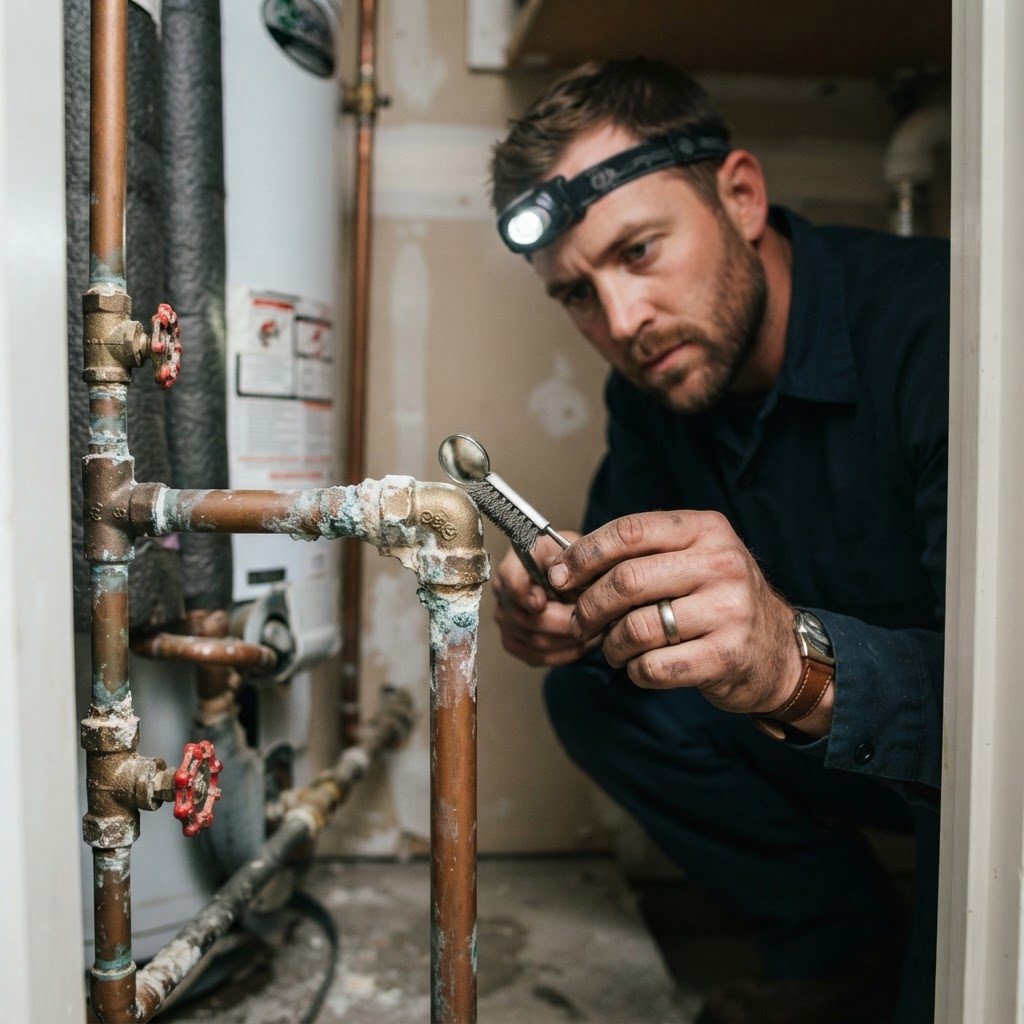
Hard water plumbing damage in Sacramento happens when dissolved calcium and magnesium bake onto the inside of your pipes, fixtures, and water heaters. This mineral scale restricts water flow, ruins water heater elements, and corrodes fixture valves, turning a minor nuisance into expensive early replacements.
Key takeaways
- Sacramento's groundwater mix leaves calcium deposits that choke pipe flow and ruin fixture cartridges.
- Tank water heaters need annual flushing to prevent scale buildup from destroying the heating elements.
- Installing a water softener or descaler stops new mineral damage and extends appliance lifespans.
How does hard water destroy pipes and fixtures?
Sacramento’s water supply mixes surface water with groundwater, often resulting in hardness levels above 120 parts per million (ppm) in areas like Elk Grove and Citrus Heights. When this mineral-heavy water flows through your home, it leaves behind calcium carbonate deposits. Over time, this scale builds up inside your copper or PEX piping, shrinking the internal diameter and dropping your water pressure.
In your fixtures, these minerals grind against rubber seals and ceramic cartridges every time you turn the handle. This constant friction causes faucets and shower valves to leak prematurely. If you ignore the buildup, you will eventually need professional pipe repair to cut out and replace the choked sections.
What are the signs of hard water plumbing damage in Sacramento?
You can usually spot mineral damage long before a pipe bursts. The most obvious sign is a chalky white crust forming around your showerheads, faucet aerators, and the base of your kitchen sink. You might also notice your water pressure slowly dropping across the entire house, even when the city supply is fine. For example, a homeowner in Roseville might notice their brand-new showerhead losing pressure after just six months because the tiny nozzles clog rapidly when exposed to untreated groundwater.
Listen to your water heater when it runs. If you hear a loud popping or rumbling noise, that is water boiling underneath a thick layer of calcium sediment at the bottom of the tank. Hard water also accelerates corrosion inside older copper pipes, which can lead to hidden pinhole leaks. Diagnosing whether a pressure drop is just scale buildup or an active leak requires professional leak detection to check both in-wall plumbing and the concrete foundation.
Repair vs. replacement for scale-damaged plumbing
When hard water ruins a plumbing component, you have to decide whether to clean it, fix it, or replace it entirely. Cleaning an aerator is a simple DIY task, but heavily calcified valves usually require replacement. We often see homeowners try to save money by repairing a heavily calcified water heater. If the repair costs exceed 50% of a new unit, replacement is the smarter financial decision.
If you replace a water heater in California, local building codes require specific safety upgrades. Your new unit must have seismic strapping installed on the top and bottom thirds of the tank to prevent tipping during an earthquake. If your home has a closed plumbing system, you must also install a thermal expansion tank to absorb pressure spikes and protect your new pipes.
| Component | Repair Option | Replacement Trigger | Estimated Timeline |
|---|---|---|---|
| Faucet Valve | Soak in vinegar, replace cartridge | Valve body is pitted or corroded | 1-2 hours |
| Showerhead | Scrub nozzles, clear screen | Threads are fused or cracked | 30 minutes |
| Water Heater | Flush sediment, replace anode rod | Tank is leaking or heavily scaled | 4-6 hours |
| Supply Lines | Clear localized blockages | Widespread pressure loss | 1-3 days |
How to protect your home from hard water damage
You cannot change the municipal water supply, but you can protect your home's plumbing from mineral scale. Implementing a routine maintenance schedule is the most cost-effective way to extend the life of your system. Follow these steps to minimize hard water plumbing damage in Sacramento.
- Flush your water heater annually. Draining the tank removes loose sediment before it bakes onto the heating elements or the bottom of the tank. If you are uncomfortable doing this, schedule professional water heater repair and maintenance.
- Check and replace your anode rod. The sacrificial anode rod attracts corrosive elements in the water. In hard water areas, you should inspect it every 2 to 3 years and replace it when it is more than 50% depleted.
- Clean your fixture aerators. Unscrew the screens on your sinks and showerheads every six months. Soak them in white vinegar for 30 minutes to dissolve the calcium buildup and restore normal water pressure.
- Install a water treatment system. A whole-home water softener removes calcium and magnesium at the main water line. If you prefer a salt-free option, a water conditioner alters the minerals so they cannot stick to your pipes.
Hard water is a permanent reality for homeowners in Greater Sacramento, but it does not have to destroy your plumbing. By staying proactive with water heater flushing and fixture maintenance, you can stop mineral scale from causing expensive failures. If you are already dealing with severe pressure loss or calcified valves, call a licensed plumber to evaluate the damage and recommend a permanent fix.
Does hard water cause slab leaks?
Hard water itself does not directly cause slab leaks, but the resulting mineral buildup can accelerate corrosion in older copper pipes. This corrosion weakens the pipe walls over time, increasing the risk of a pinhole leak developing underneath your concrete foundation.
Can I use chemical drain cleaners to remove hard water scale?
No. Chemical drain cleaners are designed to dissolve hair and grease, not calcium deposits. Pouring harsh chemicals down your drains will not remove hard water scale and can actually eat away at older metal pipes, causing severe leaks.
How often should I flush my tankless water heater in Sacramento?
Because of the local water hardness, you should flush a tankless water heater with a descaling solution every 12 months. If you live in an area with exceptionally hard groundwater, like parts of Yolo or Placer county, you may need to flush it every 6 to 9 months.
Need a Sacramento plumber?
Talk through the repair with a licensed tech. Free estimates, 24/7 emergency service across Greater Sacramento.