Plumbing Tips
How to Find Your Main Water Shutoff Valve in 60 Seconds
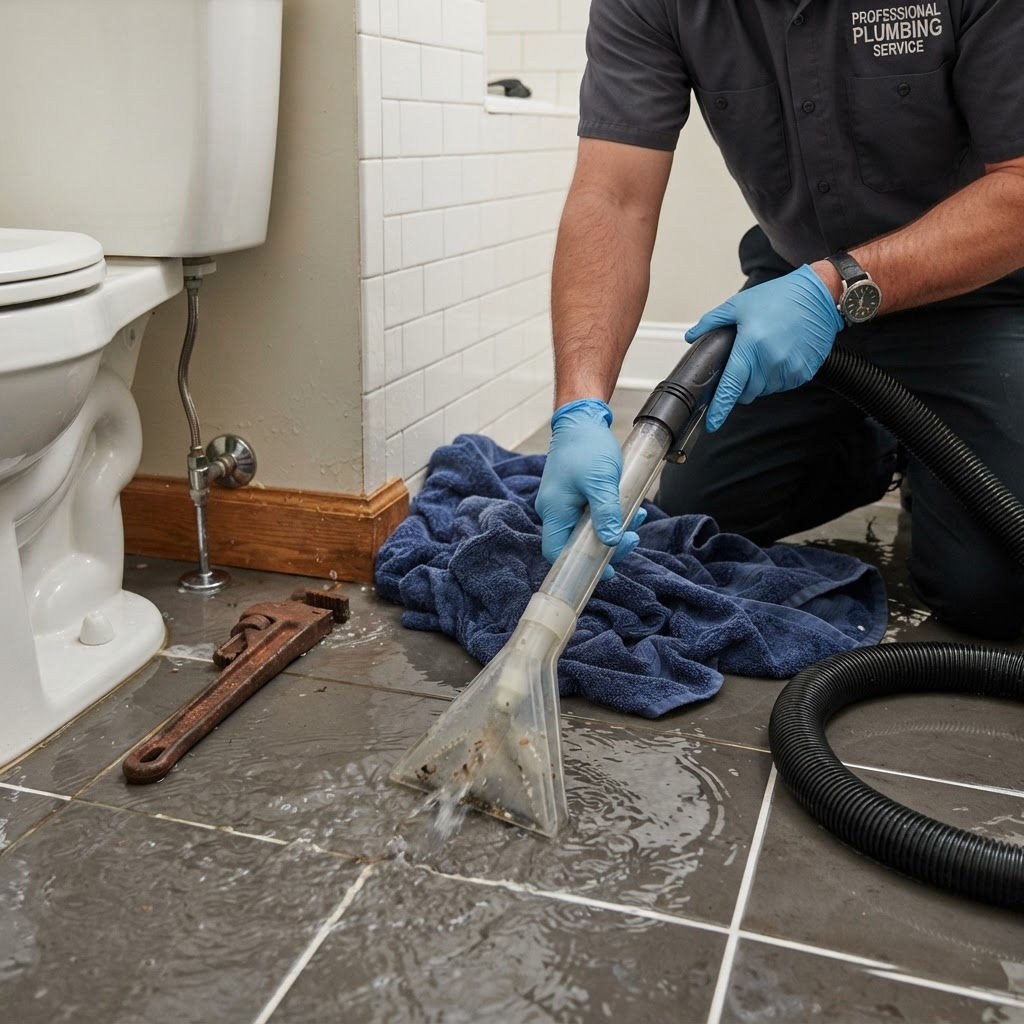
If a pipe burst in your home right now, how long would it take you to shut off the water? Thirty seconds? Two minutes? Ten minutes of frantic searching through a dark garage or crawl space while water pours through your ceiling?
In a plumbing emergency, the difference between a minor cleanup and a five-figure disaster is measured in minutes. The faster you shut off the water, the less damage your home suffers. And the only way to shut off the water fast is to know exactly where the shutoff valve is — before you need it.
At The Water Works, we respond to plumbing emergencies across the Greater Sacramento area every day. The first thing we tell every homeowner is: find your main water shutoff valve today, not when a pipe bursts. Here's how to find it in 60 seconds.
The Main Water Shutoff Valve: What It Does
Your home's main water shutoff valve controls the flow of all water into your house from the municipal supply (or your well, if you're on one). When you close it, water stops flowing to every fixture, pipe, and appliance in your home. It's the single most important valve in your plumbing system.
In an emergency — a burst pipe, a leaking water heater, an overflowing toilet you can't stop — shutting off the main valve stops the water at the source. Every homeowner should know where it is, how to operate it, and whether it works.
Where to Find Your Main Shutoff Valve
The valve is located where the main water line enters your home. The location depends on your home's construction, climate, and age. Here's where to look, in order of likelihood:
1. Near the Water Meter
In most homes, the main shutoff valve is on the street side of the water meter, where the water line enters your property. The meter is usually in a concrete or plastic box set into the ground near the street or sidewalk, often marked "Water." Open the lid (you may need a screwdriver or meter key) and look for two valves — one on the street side (belongs to the water company) and one on the house side (yours). The house-side valve is your main shutoff.
This valve may be a gate valve (round wheel) or a ball valve (lever handle). Turn a gate valve clockwise to close. Turn a ball valve 90 degrees (perpendicular to the pipe) to close.
2. In the Garage
In many Sacramento-area homes, especially those built after 1980, the main water line enters through the garage. Look along the walls near the water heater or where the water line comes up from the slab. The valve is usually a lever or wheel on a vertical or horizontal pipe, often near a pressure regulator.
3. In a Basement or Crawl Space
If your home has a basement, the main valve is typically where the water line comes through the foundation wall — often near the front of the house, near the street. Look for a pipe entering through the concrete with a valve on it.
In homes with a crawl space, the valve may be inside the crawl space near where the water line enters. This is less convenient, but it's still your main shutoff. Keep a flashlight near the access hatch.
4. Near the Water Heater
Some homes have the main shutoff valve on the cold water supply line just before it enters the water heater. This is common in smaller homes and townhomes. Look for a lever or wheel valve on the pipe above or beside the water heater.
Note: There may also be a valve on the cold water supply line right at the water heater — that one only shuts off water to the heater, not the whole house. Make sure you're closing the main valve, not just the heater supply.
5. In a Utility Closet or Mechanical Room
In condos, townhomes, and some newer single-family homes, the main shutoff may be in a utility closet near the water heater or HVAC system. Look for a panel labeled "Water" or a pipe with a valve near where it enters the unit.
How to Operate the Valve
The type of valve determines how you close it:
- Gate valve (round wheel): Turn clockwise (righty-tighty) until it stops. These valves can be stiff — use a wrench if needed, but don't force it to the point of breaking. If it won't turn, don't risk snapping the stem — call a plumber to replace it.
- Ball valve (lever handle): Turn the lever 90 degrees so it's perpendicular to the pipe. When the lever is parallel to the pipe, the valve is open. When it's perpendicular, the valve is closed. Ball valves are easier to operate and more reliable than gate valves.
After closing the valve, open a faucet at the lowest point in the house (an outdoor spigot or a basement sink) to drain the remaining water from the pipes. This relieves pressure and reduces the amount of water that can leak from a damaged pipe.
Test Your Valve Once a Year
A shutoff valve that hasn't been turned in years can seize — the internal components corrode and the valve won't move when you need it most. Test your main valve once a year:
- Turn it slowly to the closed position.
- Open a faucet inside the house to confirm water stops flowing.
- Turn the valve back to the open position.
- Check that water flow resumes.
If the valve is stiff, won't turn, or leaks when you operate it, have it serviced or replaced. A valve that doesn't work is worse than no valve at all — it gives you false confidence.
Other Valves You Should Know
Beyond the main shutoff, every home has several localized shutoff valves. Knowing where these are lets you stop water to a single fixture without cutting off the whole house:
- Toilet supply valve: On the wall behind the toilet, near the floor. Turn clockwise to close.
- Sink supply valves: Under the sink, on the wall. There are usually two — one for hot, one for cold.
- Washing machine valves: Behind the washing machine, on the wall. Turn both off when you leave for vacation.
- Dishwasher valve: Often under the kitchen sink, on the hot water line.
- Refrigerator ice maker valve: Behind or under the refrigerator, or under the sink.
- Water heater supply valve: On the cold water line above the water heater. If your heater leaks, shut this off first, then shut off the power (gas or electric) to the heater. See our water heater repair page if your heater is showing signs of trouble.
What to Do If You Can't Find or Turn the Valve
If you can't locate your main valve, or if it's stuck and won't turn, call The Water Works immediately. We'll help you find it over the phone, or dispatch a technician to locate and, if necessary, replace a seized valve. Don't wait for an emergency to discover your valve doesn't work.
While You're Shutting Off the Water
If you're shutting off the water because of a burst pipe or major leak, here are the next steps — covered in detail in our plumbing emergency guide:
- Shut off the main water supply.
- If a water heater is involved, shut off power (gas or electric) to the unit.
- Contain the water — towels, mops, buckets. Move belongings out of the affected area.
- Call a licensed plumber for emergency plumbing.
- Document the damage for insurance.
Don't Wait for an Emergency
Finding your shutoff valve takes 60 seconds. Replacing a seized valve takes a service call. Recovering from a burst pipe because you couldn't find the valve takes days and thousands of dollars. Take five minutes today to locate and test your main shutoff valve — and show everyone in your household where it is.
If you need help locating your valve, testing it, or replacing an old or seized valve, The Water Works serves the entire Greater Sacramento area. We also provide pipe repair and leak detection if you suspect a hidden leak. Call (916) 290-4500 or request a service call — we'll be there fast.
- Locate your main water shutoff valve — test it now, not during an emergency
- Know where the gas shutoff is for appliances
- Label valves clearly so anyone in the household can find them
- Check that valves turn freely — corroded valves may need replacement
- Consider a smart auto-shutoff valve for whole-home protection
- Show family members where the main shutoff is
- Keep a pipe wrench accessible near the valve
- Save our emergency number: (916) 290-4500
- Know which fixtures have individual shutoff valves
- If a valve won't turn, don't force it — call a plumber
Need a licensed plumber?
The Water Works serves homes and businesses across California with 24/7 emergency service and upfront pricing.