Drains & Sewers
Clogged Drain vs Sewer Backup: How to Tell the Difference
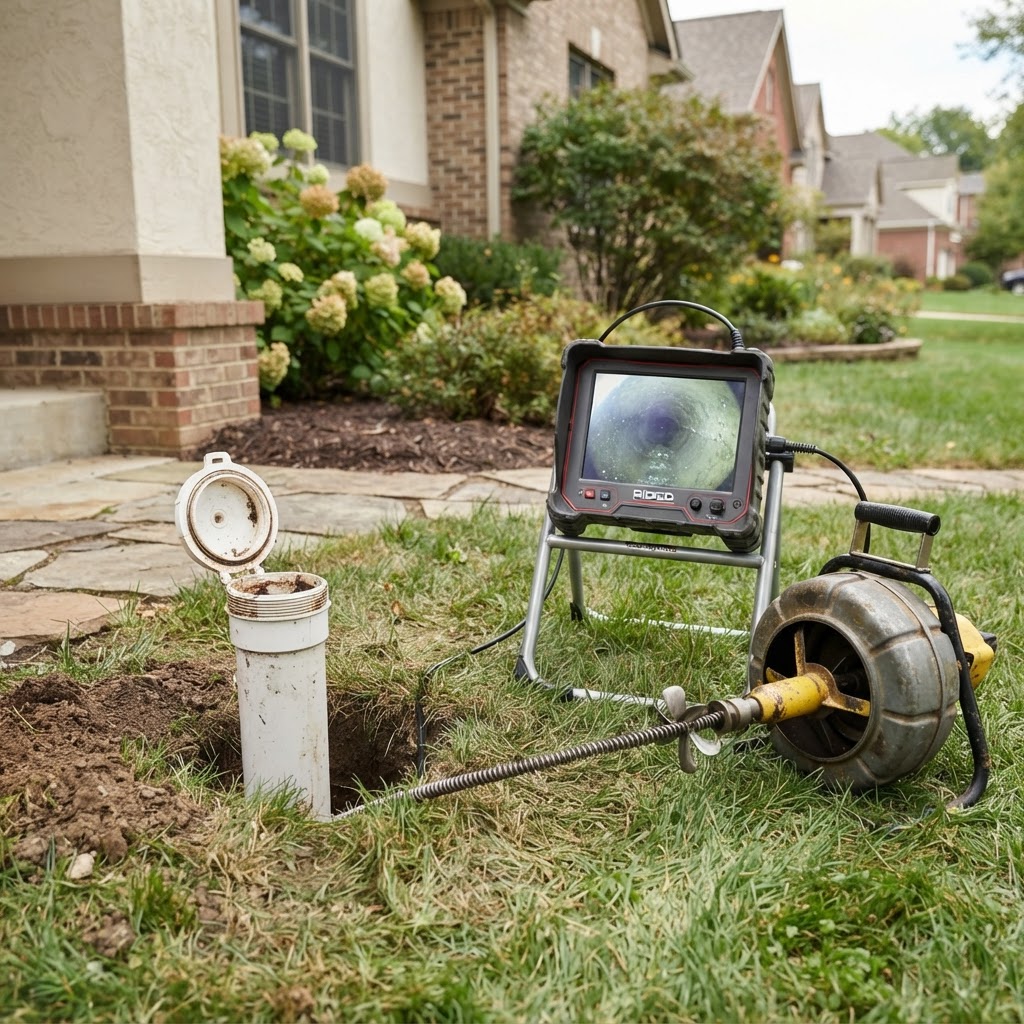
If you have water pooling in a sink or tub, you need to know what you are dealing with immediately. A localized clogged drain affects only one fixture and is usually a simple fix. A sewer backup means your main line is blocked, pushing raw sewage back into the lowest drains in your home. Misdiagnosing a main line backup and continuing to use your water will flood your floors with wastewater.
Key takeaways
- If only one sink or tub is draining slowly, it is a localized clog.
- If flushing a toilet causes water to back up into a bathtub or shower, your main sewer line is blocked.
- Stop running all water immediately if you suspect a main sewer backup.
Signs of a Localized Clogged Drain
A localized clog lives in the trap or branch line of a specific fixture. It is caused by everyday debris like hair, soap scum, grease, or food particles catching in the pipe.
The biggest giveaway of a localized clog is isolation. If your kitchen sink will not drain, but your bathrooms are working perfectly, the main sewer line is fine. You are dealing with a blockage strictly in the kitchen drain line.
Typical signs include:
- One fixture is affected: Only the shower, sink, or toilet is backing up.
- Slow draining: Water pools but eventually goes down.
- No reaction from other fixtures: Running the bathroom sink does not cause the toilet to bubble.
For these issues, standard drain cleaning with a hand snake or auger usually clears the pipe quickly.
Signs of a Main Sewer Backup
Your main sewer line connects all the branch drains in your house and carries wastewater to the municipal sewer or septic tank. When this pipe clogs—often due to tree roots, collapsed clay pipes, or flushed wipes—all the water you use has nowhere to go but backward.
Sewer backups follow gravity. They show up at the lowest drainage points in your house first, which is usually a first-floor shower, bathtub, or basement floor drain.
Watch for these undeniable signs of a main line backup:
- Multiple fixtures backing up: The toilet, shower, and sink on the lower level are all draining slowly or holding water.
- The washing machine test: Draining your washing machine causes toilets to gurgle or water to rise in a nearby shower.
- Water backing up when you flush: Flushing a toilet sends water bubbling up out of the nearest tub or shower drain.
- Foul odors: A strong smell of raw sewage comes from multiple drains simultaneously.
- Sewer cleanout overflow: If you open your exterior sewer cleanout and see standing water, the blockage is in the main line.
Comparing Clogs: Timelines and Fixes
The severity, repair method, and cost differ wildly between a single drain clog and a full sewer backup.
| Feature | Localized Clogged Drain | Main Sewer Backup |
|---|---|---|
| Affected Area | Single sink, tub, or toilet | Multiple fixtures, lowest drains first |
| Common Cause | Hair, soap, grease, dropped items | Tree roots, broken pipes, flushable wipes |
| Repair Method | Hand auger, cabling, trap cleaning | Heavy-duty cabling, hydro jetting, camera inspection |
| Urgency | Annoying, but not a house-wide emergency | High emergency; risk of sewage property damage |
(Note: Costs vary based on severity, access to cleanouts, and emergency after-hours rates. These are typical regional estimates.)
Sacramento Sewer Lateral Rules: Who is Responsible?
If you have a main sewer backup, the blockage could be under your yard or out in the street. Property owners in Greater Sacramento need to understand the division of responsibility for the sewer lateral (the pipe connecting your house to the city main).
In most Northern California municipalities—including Sacramento, Placer, and Yolo counties—the homeowner is responsible for the entire sewer lateral. This includes the "upper lateral" (from the house to the property line/sidewalk) and the "lower lateral" (from the property line to the city main connection in the street).
If tree roots from a city-owned tree crush your lower lateral, you are still generally responsible for the repair or replacement costs. This is why older neighborhoods like East Sacramento and Land Park, which are famous for massive trees and original clay sewer pipes, see frequent main line issues. If you have repeated backups, you will likely need professional sewer line repair or a trenchless replacement to stop the cycle.
What to Do if You Suspect a Main Line Backup
If you see the warning signs of a clogged drain vs sewer backup and realize it is a main line issue, take these steps immediately:
- Shut off the water: Stop using all sinks, showers, toilets, and washing machines. Any water you run will end up on your floors.
- Locate your cleanout: Find the exterior PVC or cast-iron pipe with a cap, usually near the foundation in the front yard. If sewage is actively backing up into the house, carefully unscrewing this cap can release the pressure and direct the overflow outside.
- Call a professional: Main sewer lines cannot be cleared with chemical drain cleaners or small wire hangers. They require industrial cabling machines or hydro jetting to cut through roots and heavy blockages.
Do not wait for a slow-draining house to become a flooded house. Diagnosing the issue early saves thousands in water damage and restoration.
Conclusion
Telling the difference between a standard clogged drain and a main sewer backup comes down to how many fixtures are affected and how they interact. A single slow sink is a quick fix. Toilets that gurgle when the shower runs mean your main line is compromised. If you are dealing with multiple backed-up drains, stop using your water and call a licensed plumber to clear the main line.
Frequently Asked Questions
Can pouring boiling water clear a sewer backup?
No. Boiling water might help melt minor soap or grease buildup in a single sink trap, but it will not reach or clear a massive blockage of tree roots or flushable wipes deep in your main sewer line.
Are flushable wipes safe for my main sewer line?
Absolutely not. Despite the packaging, "flushable" wipes do not disintegrate in water like toilet paper does. They catch on imperfections in your sewer pipe, accumulate, and are a leading cause of main line backups.
How does a plumber find the exact location of a sewer backup?
We use a specialized waterproof sewer camera. By running the fiber-optic camera down your cleanout, we can see exactly what is causing the blockage—whether it is a belly in the pipe, intrusive roots, or a collapsed section—and locate its exact depth and position.
Need a Sacramento plumber?
Talk through the repair with a licensed tech. Free estimates, 24/7 emergency service across Greater Sacramento.